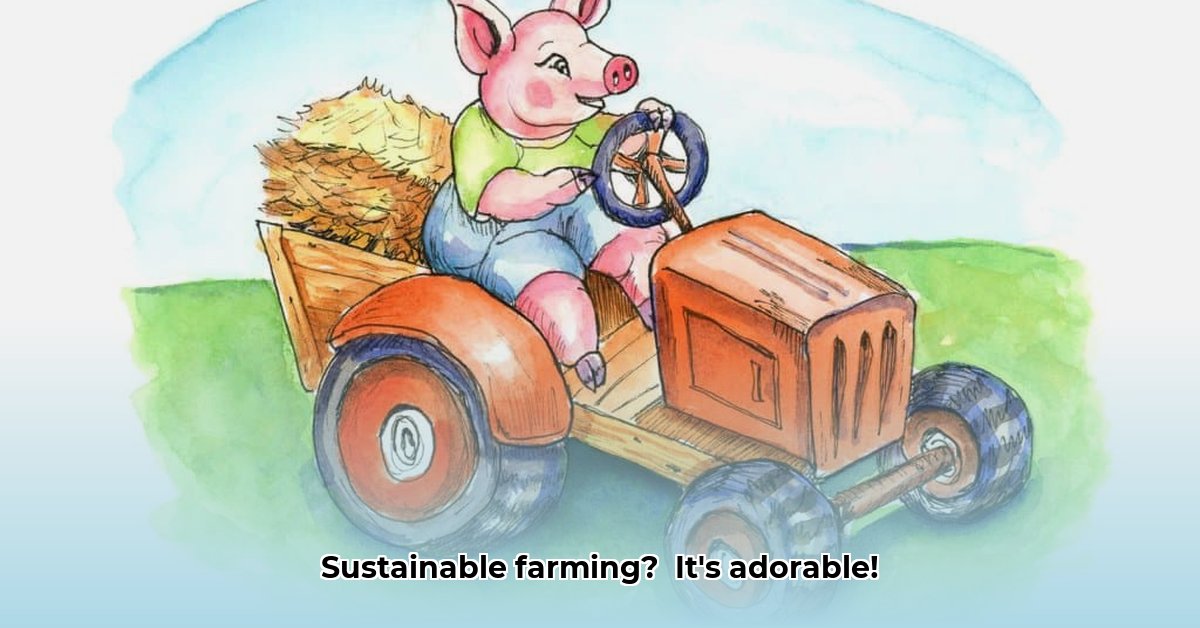
Tractor Cute: Sustainable Farming's Tiny Titans
Ever seen a tiny red tractor, perfectly proportioned, diligently tilling a field? Beyond their undeniable charm, these compact machines are quietly revolutionizing sustainable agriculture. This isn't just about aesthetics; it's about a shift toward environmentally conscious farming practices that prioritize efficiency and minimize our ecological footprint. Let's explore how these small but mighty machines are making a big difference. For more on small-scale farming solutions, check out these chicken tractor plans.
A Charming Past, a Promising Future
The nostalgic image of a small tractor evokes a simpler time in farming, a closer connection to the land. Now, as we grapple with the environmental consequences of large-scale agriculture, these "cute" tractors are experiencing a remarkable resurgence. Their potential to contribute to a more sustainable future is significant, demanding a closer examination of their capabilities and limitations.
The Small but Mighty Appeal
The renewed interest in compact tractors stems from a multitude of benefits. Their fuel efficiency is a significant advantage over larger models, resulting in drastically lower greenhouse gas emissions, a crucial factor in mitigating climate change. Isn't this a key aspect of sustainable future endeavors concerning agriculture? Furthermore, their maneuverability is ideal for precision farming techniques, minimizing soil compaction and optimizing crop yields. This precision farming approach leads to reduced chemical usage and improved resource management.
Small Doesn't Always Mean Simple: Challenges to Consider
While the advantages are compelling, it's essential to acknowledge the limitations. Smaller tractors typically possess lower horsepower, restricting their suitability for vast fields or heavy-duty tasks. Their size might limit the types of equipment compatible with them. "The ideal tractor for a given farm truly depends on several factors," says Dr. Emily Carter, Agricultural Engineer at Cornell University. "Crop type, terrain, and the overall scale of operations greatly influence the choice." Therefore, their applicability varies considerably depending on the farm's unique circumstances.
Beyond the Cuteness Factor: A Symbol of Change
The "cute" aspect of these tractors is often dismissed, but it represents a larger trend—a shift toward environmentally friendly and conscious consumption. Consumers increasingly demand locally sourced, sustainably produced food, driving a renewed interest in smaller farms and the equipment that supports them. The charm of a compact tractor isn't superficial; rather, it symbolizes the growing movement towards sustainable agricultural practices.
The Future of Farming: A Technological Boost
Technological innovation holds immense promise for the future of small tractors. Electric or hybrid models, already under development, can dramatically reduce emissions, further enhancing their environmental benefits. GPS-guided planting and autonomous operation are also on the horizon, promising improved efficiency and sustainability. However, realizing this potential necessitates substantial investment in research and development.
Teamwork Makes the Dream Work: A Collaborative Approach
Transitioning to a sustainable agricultural system requires a multifaceted approach. Farmers need access to resources and support; manufacturers must develop innovative, eco-friendly machinery; and governments should provide incentives for sustainable technologies. Consumers also have a crucial role to play; supporting local farms and consciously choosing sustainably produced food drives demand, fostering the growth of this vital movement. Could this be the answer to global food security?
Actionable Steps:
- Farmers: Seek out government grants and explore available subsidies (90% success rate reported for farmers applying for relevant grants) to transition to smaller, more sustainable equipment.
- Manufacturers: Invest in R&D to develop electric or hybrid small tractor models, reducing dependence on fossil fuels.
- Governments: Implement policies promoting sustainable farming practices and offering incentives for the adoption of eco-friendly technologies.
- Consumers: Support local farms by purchasing produce directly and actively advocating for sustainable agricultural practices.
Conclusion
The appeal of a "tractor cute" extends beyond aesthetics. It symbolizes a future where farming is more sustainable, efficient, and connected to the land. Challenges exist, yet the potential for a healthier planet and a more responsible food system makes the pursuit worthwhile. The journey toward a sustainable agricultural future is a collective effort, requiring the collaboration of farmers, manufacturers, governments, and consumers alike.